Zero Waste Interior Design: Reuse, Recycle, Restyle
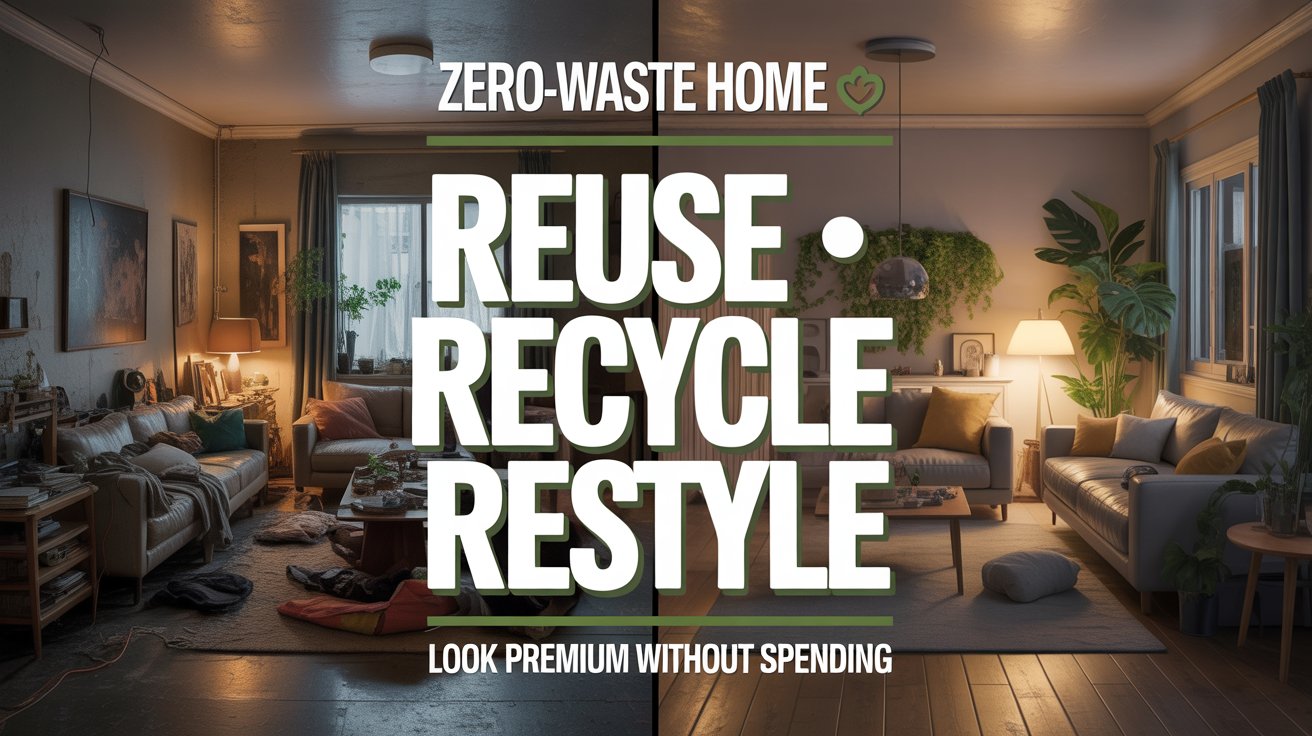
Reuse, Recycle, Restyle
Your home doesn't need a renovation to feel new—it needs a new perspective. Zero-waste interior design is the art of creating beautiful, intentional spaces by working with what already exists rather than constantly consuming new items.
1. What Zero-Waste Interior Design Actually Means
The term “zero waste” is often misunderstood. In interior design, it is not about perfection—it is about intention. Zero-waste interior design is a philosophy where every object, material, and space is seen as something that can be reused, repaired, or reimagined.
Instead of replacing items when they feel outdated, you transform them. Instead of discarding broken pieces, you repair them. Instead of buying new furniture, you restyle what you already own.
The Problem: Fast Furniture Culture
Modern interior design has been heavily influenced by “fast furniture” culture. Similar to fast fashion, it promotes frequent buying and quick disposal. This results in massive waste and short product lifespans.
Furniture production generates millions of tonnes of waste every year, with many items ending up in landfills prematurely.
Zero-waste interior design challenges this cycle through three key principles: Reuse, Recycle, and Restyle.
2. The Reuse Principle: Shop Your Home First
Before purchasing anything new, explore your existing space. The idea is simple: What do you already own that can be used differently?
This approach, known as “shopping your own home,” is cost-free and delivers highly personalized results.
Practical Ways to Reuse What You Have
- Move furniture between rooms to give it a new purpose
- Repurpose jars, containers, and crates into storage or décor
- Rotate artwork between rooms for a fresh look
- Swap cushion covers, curtains, and throws
- Rearrange shelves to create new visual arrangements
- Shift lighting placements to change ambiance
Expert Tip: Take photos of each room before making changes. This helps you identify unused potential and design opportunities.
3. Recycle and Repurpose: Giving Materials a Second Life
When reuse alone is not enough, recycling and repurposing allow you to transform existing materials into something new and functional.
High-Impact Repurposing Ideas
- Paint and refresh old furniture for a modern look
- Reupholster sofas instead of replacing them
- Use reclaimed wood for shelves or tables
- Convert glass bottles into lighting fixtures
- Repurpose copper pipes into curtain rods or décor
- Explore salvage yards for vintage doors or tiles
- Buy secondhand furniture before choosing new items
4. Restyle: The Art of Visual Refreshing
Restyling is about changing the arrangement and presentation of objects to create a fresh look without buying anything new.
Core Restyling Techniques
- The Rule of Odds: Use groups of three, five, or seven for visual balance
- Vary Heights: Combine tall, medium, and short elements
- Negative Space: Leave empty space to highlight key pieces
- Color Coordination: Use repeating colors to unify décor
5. Room-by-Room Zero-Waste Strategies
Living Room
Rearrange furniture to improve flow and restyle shelves using varied book placements and décor groupings.
Bedroom
Swap textiles like duvet covers and throws. Use fabric pieces or scarves as wall décor.
Kitchen
Store dry goods in glass jars. Repurpose wooden boards as serving trays.
Bathroom
Use jars for storage and replace plastic accessories with natural or salvaged materials.
Hallway
Use ladders or crates for storage solutions and decorative organization.
6. Common Mistakes to Avoid
- Buying “eco-friendly” products unnecessarily
- Throwing away items instead of donating or reusing
- Choosing aesthetics over durability
- Ignoring simple repair opportunities
Conclusion: Design with Intention, Not Consumption
Zero-waste interior design is not about restriction—it is about creativity. By reusing, recycling, and restyling, you create a home that is both sustainable and uniquely yours.
Start small. Rearrange a room, repaint an old piece, or repurpose everyday objects. Over time, these small changes lead to a home that feels fresh, intentional, and environmentally responsible.
Are You Located In Any Of These Cities?
Coimbatore
Peelamedu, Thudiyalur, Saravanampatti, Ondipudur, Vedapatti, Vadavalli, Kovaipudur, Press Colony, Sulur, Singanallur, Kinathukadavu, Periyanaickenpalayam, Malumichampatti, Kovilpalayam, Chettipalayam, Coimbatore Aerodrome, Coimbatore Collectorate, Coimbatore Courts, Coimbatore Industrial Estate, Coimbatore North, Coimbatore Railway Station, Coimbatore Race Course, Ganapathy, Ukadam, Jothipuram, Kaniyur, Karamadai, Kunniyamuthur, Kurudampalayam, Madathukulam, Maruthamalai, Nanjundapuram, Narasimhanaickenpalyam, Negamam, NGGO Colony, Othakalmandapam, Pannimade, Pappanaicken Pudur, Pappanaickenpalayam, Puliyakulam, Ram Nagar-Coimbatore, Ramanathapuram, Ratnapuri, Redfields, Saibaba Colony, Irugur, Sidhapudur, Sowripalayam, Tatabad, Thadagam, Thondamuthur, Uppilipalayam, Vellalore C.B.E, Velandipalayam, Chinniampalayam, Neelambur, Coimbatore Central, Kavundampalyam, Madukkarai, Mettupalayam
Chennai
Adyar, Alandur, Anna Nagar, Ashok Nagar, Besant Nagar, Chintadripet, Egmore, George Town, Guindy, Kilpauk, Kotturpuram, Mylapore, Nandanam, Nungambakkam, Parrys, Purasaiwakkam, Royapettah, Saidapet, T Nagar, Triplicane, Vadapalani, Vepery, Velachery, West Mambalam, and Zamin Pallavaram.
Tiruppur
Tiruppur, Dharapuram, Palladam, Udumalaipeta, Avinashi, Kangayam.