Vastu vs Modern Architecture: Find Right Balance for Your Home
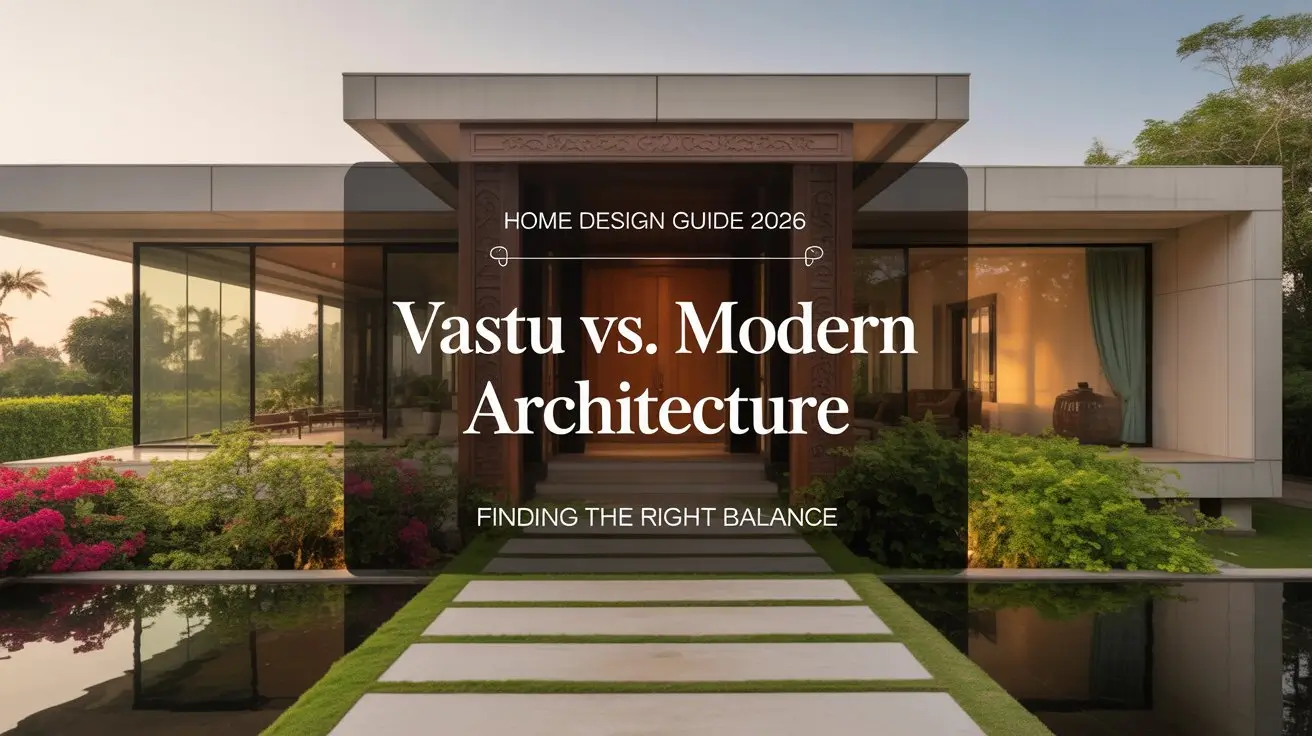
Vastu Shastra, the ancient Indian science of architecture, has been guiding home design for centuries. On the other hand, modern architecture emphasizes minimalism, functionality, and aesthetics. The question most homeowners face today is: Should you follow Vastu strictly or adopt modern design trends? The truth is, you don’t have to choose one over the other—you can create a balanced home that integrates both.
Understanding the Core of Vastu Shastra
Vastu Shastra focuses on harmony between natural elements—earth, water, fire, air, and space. It places importance on directions, sunlight, ventilation, and energy flow. For instance:
- The main entrance is ideally in the north or east for positive energy.
- Kitchens should face southeast, associated with the fire element.
- Bedrooms in the southwest promote stability and restful sleep.
These principles were designed keeping in mind India’s climate, culture, and traditions.
What Defines Modern Architecture?
Modern architecture, which emerged in the 20th century, values simplicity, open spaces, and innovation. Features include:
- Use of glass, steel, and concrete for sleek aesthetics.
- Open floor plans that encourage free movement.
- Smart home technology integration.
- Eco-friendly building materials and sustainable designs.
While modern design emphasizes functionality, it may overlook traditional aspects like energy balance that Vastu highlights.
Challenges of Choosing Between Vastu and Modern Design
Many homeowners feel conflicted:
- Strict Vastu compliance may restrict creativity and modern design freedom.
- Ignoring Vastu completely can cause cultural discomfort, especially in Indian families.
- Budget concerns arise when trying to modify layouts for both aesthetics and tradition.
How to Balance Vastu with Modern Architecture
Here are practical ways to integrate both:
- Entrance Design: Keep the main door in an auspicious direction (north/east), but use modern finishes like wood, glass, and designer panels.
- Open Floor Plans with Energy Flow: Modern homes love open layouts. Ensure the central space is uncluttered, which aligns with Vastu’s “Brahmasthan.”
- Lighting & Ventilation: Use modern skylights and large windows to allow natural light from the east, which Vastu recommends for positivity.
- Kitchens: While modular kitchens are a modern trend, place the stove facing east or southeast as per Vastu.
- Bedrooms: Use modern design elements like minimalist furniture and muted colors, but retain the southwest location for stability.
- Bathrooms: Place them in the northwest or west, but opt for modern tiles, fixtures, and water-saving technology.
Case Study: A Perfectly Balanced Home
At RADIN INFRASTRUCTURE SOLUTIONS PRIVATE LIMITED, we recently designed a home in Chennai where the client wanted both Vastu compliance and a modern look. The result:
- North-facing entrance with contemporary wooden door and glass panels.
- Minimalist living room with open layout and skylight for natural sunlight.
- Eco-friendly materials like fly ash bricks and solar panels for sustainability.
- Bedrooms aligned with Vastu directions, but styled with modern furnishings.
This balance brought peace of mind to the family while ensuring a luxurious, modern lifestyle.
Benefits of Combining Both Approaches
- Harmony: Balanced energy flow improves mental peace.
- Resale Value: Homes designed with Vastu attract more buyers in India.
- Functionality: Modern layouts make living more practical.
- Sustainability: Eco-friendly materials reduce carbon footprint while following tradition.
Common Myths About Vastu vs. Modern Architecture
- Myth: You must compromise on design to follow Vastu.
Fact: With smart planning, both can coexist. - Myth: Modern homes can’t follow Vastu principles.
Fact: Even glass homes can integrate Vastu-friendly placements. - Myth: Vastu is outdated.
Fact: Its energy principles align with modern sustainable practices.
Tips for Homeowners
If you are building or renovating your home, keep these in mind:
- Hire an architect who understands both modern design and Vastu principles.
- Prioritize natural light, ventilation, and eco-friendly materials.
- Plan ahead—correcting Vastu after construction is costly.
- Don’t follow Vastu blindly—adapt rules to suit your lifestyle and space.
Final Thoughts
The debate between Vastu and modern architecture doesn’t need to divide homeowners. A well-designed house respects cultural beliefs while embracing modern technology and aesthetics. At RADIN INFRASTRUCTURE SOLUTIONS PRIVATE LIMITED, we specialize in crafting homes that are both Vastu-compliant and modern in design, ensuring a perfect blend of tradition and innovation.
Looking for experts to design your dream home? Explore our Residential Building Services or Contact RADIN INFRASTRUCTURE SOLUTIONS PRIVATE LIMITED today for personalized guidance.
For further reading, check these helpful resources:
For more information, Visit here
Are You Located In Any Of These Cities?
Coimbatore
Peelamedu, Thudiyalur, Saravanampatti, Ondipudur, Vedapatti, Vadavalli, Kovaipudur, Press Colony, Sulur, Singanallur, Kinathukadavu, Periyanaickenpalayam, Malumichampatti, Kovilpalayam, Chettipalayam, Coimbatore Aerodrome, Coimbatore Collectorate, Coimbatore Courts, Coimbatore Industrial Estate, Coimbatore North, Coimbatore Railway Station, Coimbatore Race Course, Ganapathy, Ukadam, Jothipuram, Kaniyur, Karamadai, Kunniyamuthur, Kurudampalayam, Madathukulam, Maruthamalai, Nanjundapuram, Narasimhanaickenpalyam, Negamam, NGGO Colony, Othakalmandapam, Pannimade, Pappanaicken Pudur, Pappanaickenpalayam, Puliyakulam, Ram Nagar-Coimbatore, Ramanathapuram, Ratnapuri, Redfields, Saibaba Colony, Irugur, Sidhapudur, Sowripalayam, Tatabad, Thadagam, Thondamuthur, Uppilipalayam, Vellalore C.B.E, Velandipalayam, Chinniampalayam, Neelambur, Coimbatore Central, Kavundampalyam, Madukkarai, Mettupalayam
Chennai
Adyar, Alandur, Anna Nagar, Ashok Nagar, Besant Nagar, Chintadripet, Egmore, George Town, Guindy, Kilpauk, Kotturpuram, Mylapore, Nandanam, Nungambakkam, Parrys, Purasaiwakkam, Royapettah, Saidapet, T Nagar, Triplicane, Vadapalani, Vepery, Velachery, West Mambalam, and Zamin Pallavaram.
Tiruppur
Tiruppur, Dharapuram, Palladam, Udumalaipeta, Avinashi, Kangayam.