10 Interior Mistakes Homeowners Should Avoid in 2026
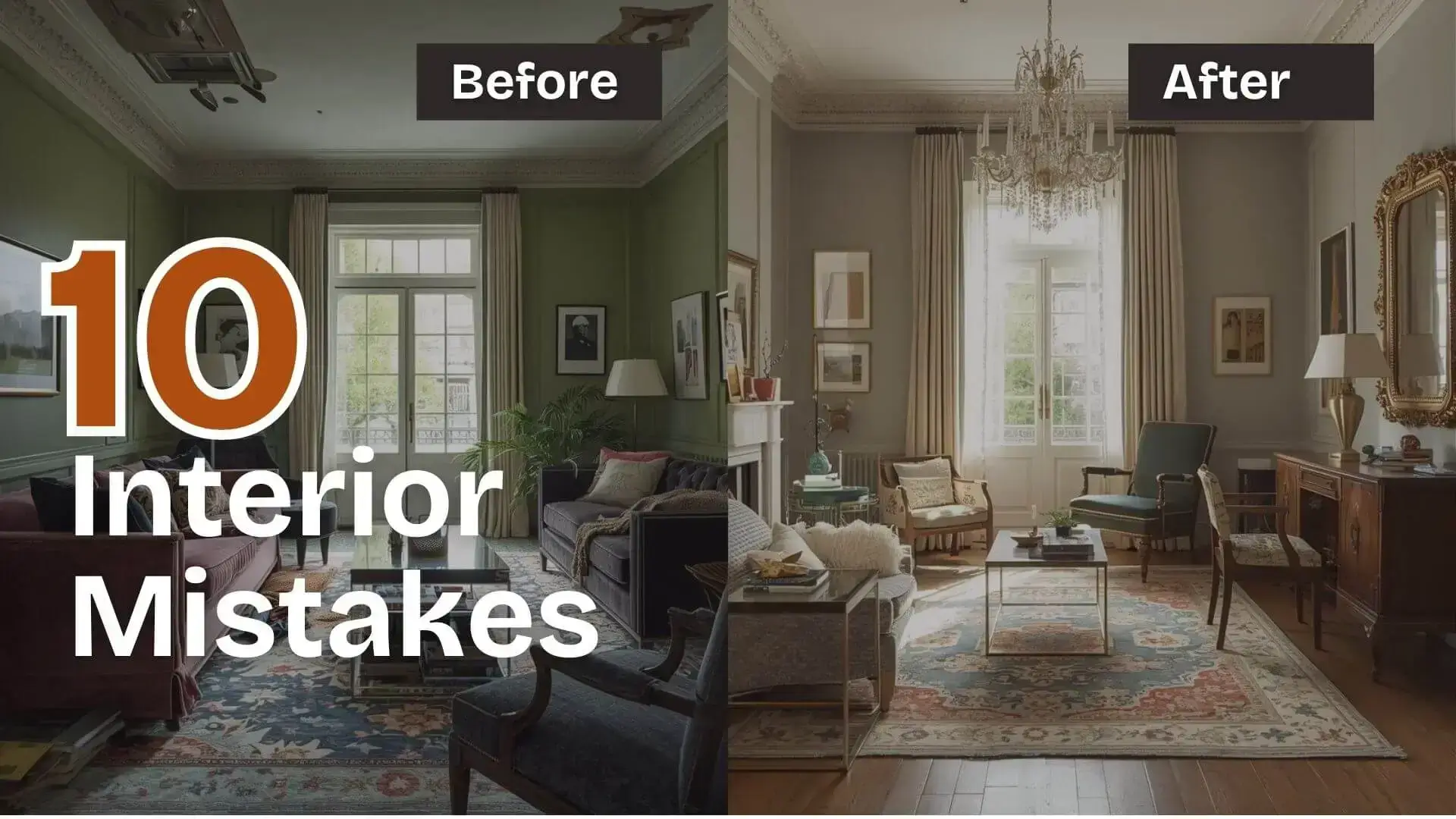
Interior design is an investment — in comfort, resale value, and everyday satisfaction. Yet homeowners often make repeatable errors that undermine even the best décor plans. Whether you’re renovating or refreshing, knowing the common interior design mistakes can save money and time. Below are ten practical mistakes to avoid, paired with professional design tips and designer decorating secrets to make your home look intentional, balanced, and timeless.
1. Prioritizing trends over timeless design
Trends are fun, but they change fast. Chasing every fad can make rooms feel dated within a few years. Instead, anchor your space around timeless design trends — neutral palettes, quality materials, and classic proportions — then layer trend-led accents like pillows, art, or switchable hardware. This approach preserves longevity while allowing seasonal updates.
2. Ignoring scale and proportion
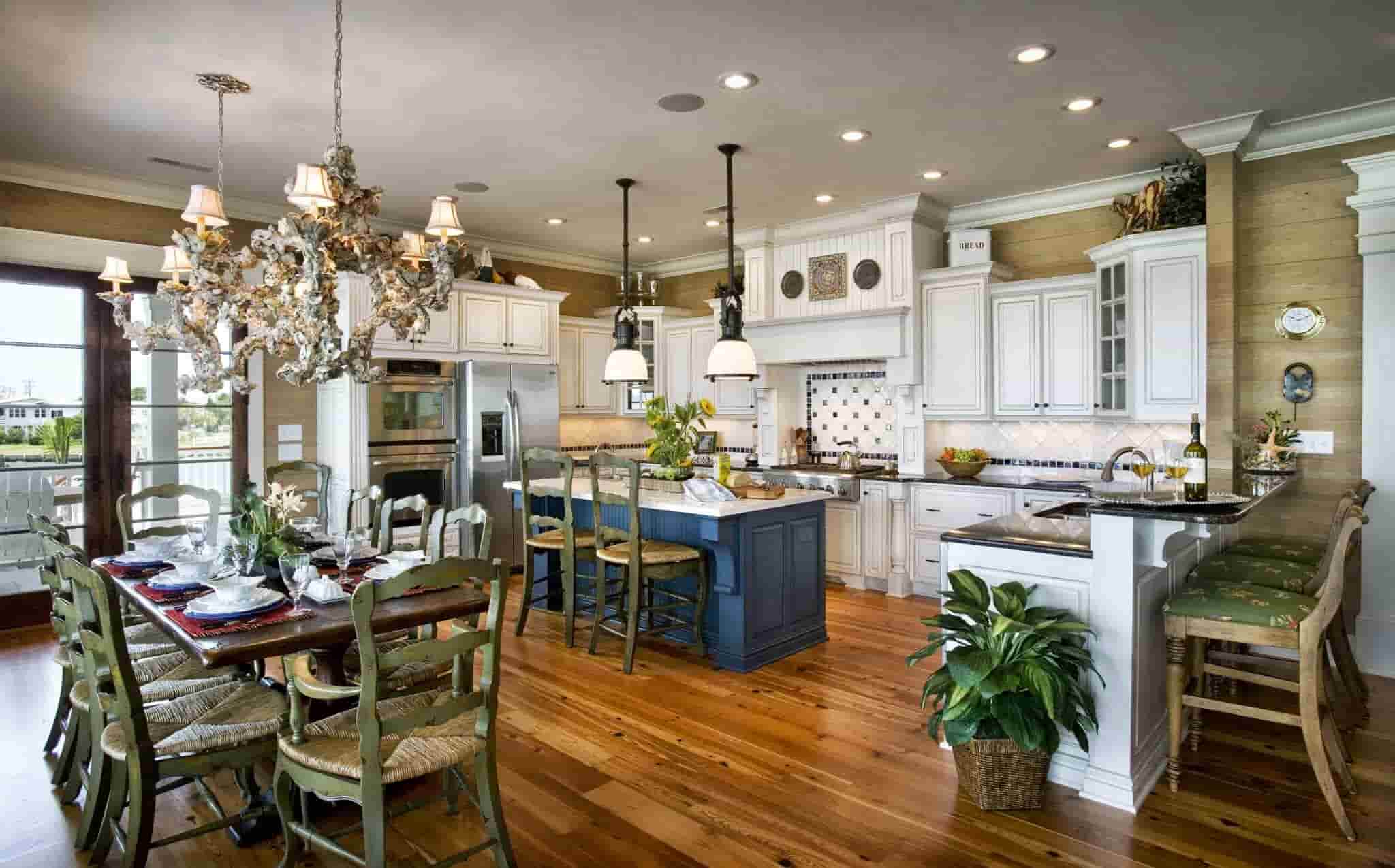
Many homeowners buy furniture because it “looks nice” in a showroom, then struggle when it overwhelms a living room or looks lost in a large open plan. Always measure rooms and visualize scale first. Use painter’s tape to mark furniture footprints and maintain circulation paths. Proper proportion is a core of unique home styling and prevents awkward layouts.
3. Poor lighting planning
Lighting is one of the most undervalued elements in designer home decor. Relying on a single overhead fixture creates flat spaces. Layer ambient, task, and accent lighting — recessed or ceiling fixtures for overall light, task lamps for work zones, and wall or floor lamps to highlight features. Install dimmers to adapt mood and function.
4. Choosing style over function
A beautiful piece that doesn’t serve your lifestyle becomes clutter. For families, durability and easy maintenance matter. For small homes, multi-functional furniture (storage ottomans, wall beds) keeps spaces tidy. Combine style with usability: this is a cornerstone of professional design tips that deliver both aesthetics and comfort.
5. Overmatching finishes and materials
Uniformity can feel bland. A common home decorating mistake is matching all metals, woods, and fabrics too precisely. Embrace contrast: warm wood tones with cooler metals, matte and glossy finishes, or a combination of textured fabrics. Thoughtful variety adds depth and interest without chaos.
6. Forgetting acoustics and sound control
Hard surfaces and open plans can be noisy. Homeowners often overlook acoustics until they live with the sound. Add soft textiles: rugs, curtains, upholstered furniture, and acoustic panels where needed. Plants and bookshelves also help diffuse sound, creating a more restful environment.
7. Inadequate storage planning
A beautiful room that can’t stay tidy will never feel finished. Integrate storage early in the design process: built-in cupboards, under-bed storage, concealed cabinets, and intelligently zoned closets. This is both a designer decorating secret and a practical way to maintain the clean lines of modern interiors.
8. Neglecting a cohesive color story
A disjointed palette makes even high-quality furnishings look mismatched. Establish a color story for the entire home or floor — a base neutral, secondary tones, and an accent palette. This creates flow between rooms and supports home design inspiration that feels curated rather than accidental.
9. Skipping quality over price completely
Cheap materials can lead to long-term costs through replacements and repairs. Invest where it counts: core pieces (sofas, beds), durable flooring, and quality finishes in kitchens and bathrooms. For accessories, you can save selectively. Knowing where to invest is one of the key designer decorating secrets professional designers use.
10. Not designing for how you live now (or later)
A common interior design faux pas is designing for aspirational habits rather than real life. If you work from home, prioritize a functional home office. If you frequently host, plan seating and flow accordingly. Also think long-term: flexibility in rooms, adaptable lighting, and neutral anchors support future changes without full redesigns.
Practical quick wins to avoid these mistakes
- Start with a clear brief: list how you use each room and what you need.
- Create a mood board to visualize material, color, and finish relationships.
- Rent or borrow statement pieces before committing.
- Always get scale right — measure, mock-up, and confirm.
- Work with a professional for complex projects (kitchens, bathrooms, major structural changes).
As homeowners invest more in their living environments, expectations for performance and longevity rise. Sustainability, smart home integration, and adaptable spaces are growing priorities. Avoiding the mistakes above helps you create a home that’s not only beautiful but functional, energy-efficient, and resale-ready.
Final thought: make design decisions with intent. Use professional design tips to inform choices, rely on designer home decor principles for structure, and sprinkle in unique home styling elements to reflect your personality. When you sidestep common interior design mistakes, you build a home that stands the test of time and looks like it was made to last.
For more information, Visit here
Are You Located In Any Of These Cities?
Coimbatore
Peelamedu, Thudiyalur, Saravanampatti, Ondipudur, Vedapatti, Vadavalli, Kovaipudur, Press Colony, Sulur, Singanallur, Kinathukadavu, Periyanaickenpalayam, Malumichampatti, Kovilpalayam, Chettipalayam, Coimbatore Aerodrome, Coimbatore Collectorate, Coimbatore Courts, Coimbatore Industrial Estate, Coimbatore North, Coimbatore Railway Station, Coimbatore Race Course, Ganapathy, Ukadam, Jothipuram, Kaniyur, Karamadai, Kunniyamuthur, Kurudampalayam, Madathukulam, Maruthamalai, Nanjundapuram, Narasimhanaickenpalyam, Negamam, NGGO Colony, Othakalmandapam, Pannimade, Pappanaicken Pudur, Pappanaickenpalayam, Puliyakulam, Ram Nagar-Coimbatore, Ramanathapuram, Ratnapuri, Redfields, Saibaba Colony, Irugur, Sidhapudur, Sowripalayam, Tatabad, Thadagam, Thondamuthur, Uppilipalayam, Vellalore C.B.E, Velandipalayam, Chinniampalayam, Neelambur, Coimbatore Central, Kavundampalyam, Madukkarai, Mettupalayam
Chennai
Adyar, Alandur, Anna Nagar, Ashok Nagar, Besant Nagar, Chintadripet, Egmore, George Town, Guindy, Kilpauk, Kotturpuram, Mylapore, Nandanam, Nungambakkam, Parrys, Purasaiwakkam, Royapettah, Saidapet, T Nagar, Triplicane, Vadapalani, Vepery, Velachery, West Mambalam, and Zamin Pallavaram.
Tiruppur
Tiruppur, Dharapuram, Palladam, Udumalaipeta, Avinashi, Kangayam.